 |
HOME |
|
|
KITTENS AVAILABLE |
|
|
HEALTH AND CARE |
|
|
KITTEN DEVELOPMENT |
|
|
ADOPTED KITTENS PICTURES |
|
|
OUR CATS PICTURES |
|
|
BURMESE BREED HISTORY |
|
|
UNDERSTANDING DECLAWING |
|
|
GENES AND MATING TABLES |
|
|
FEEDING NEWBORNS |
|
|
GUEST BOOK |



CAT FOODS
NUTRITIONAL NEEDS
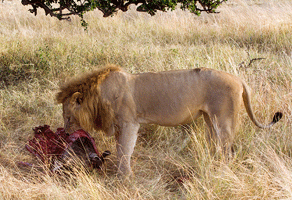
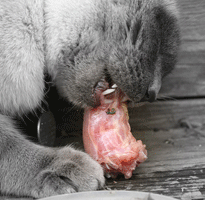
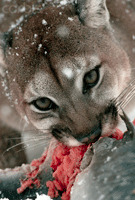
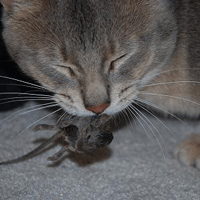
Cats are carnivores. They need:
-
Protein (meat, fish, poultry)
-
Taurine is important amino acid for cats ( beef or other animal hearts, supplements)
-
Vitamins, minerals, fatty acids, Calcium ( bone meal or supplements)
-
Water
Cats are carnivores. They do not need:
-
Carbohydrates ( corn, potato, rice, wheat )
-
People food
Cats eat as much as they need to get the nutrients they require. They might eat twice as much of cheap carbohydrate-filled brand to get the nutrients they need in a normal feeding of premium food. Also, the continued feeding of substandard foods may cause serious medical conditions.
 |
 |
 |
 |
DANGEROUS FOODS
Onions
contain N-propyl disulphide which destroys red blood cells in the cat,
causing anemia. Garlic contains a similar substance in
a lesser amount.
Tomatoes, Green (raw Potatoes) can cause lower gastrointestinal symptoms.
Chocolate is very toxic to both cats and dogs.
Grapes and Raisins are toxic for cats. Animal Poison Control Center advises not giving grapes or raisins to pets in any amount.
Milk
is not toxic to cats, but adult cats fed a nutritious diet don't need
milk. Lactose in cow milk and milk products produces stomach upset,
cramps, and gassiness. If your cat loves milk, Catsip milk
is available in pet stores.
Ham and pork get cat's arteries
clogged.
National Animal Poison Control Center
1-900-443-0000 (The charge is billed to caller's phone)
1-888-426-4435 Follow-up calls 888-299-2973
